
Lately I have been receiving comments from people telling me that they cannot go vegan because it is too expensive. I have a hard time understanding this and I hope to explain in this post why that it is simply untrue. However, even if it were more costly (which it is not), the health benefits would surely outweigh any additional expense. Being on a whole-foods plant-based diet would greatly reduce the amount of money people spend on their medical care. For example, it would eliminate most of the medicines people take every day for their blood pressure, high cholesterol, diabetes, and many other diseases. It would also eliminate all of the money so many people spend on weight loss products and plans. I just don’t see how anyone can find that beans, lentils, and whole grains are more expensive than the processed animal products they are currently eating.
So my recipe for today is polenta. Polenta is made from cornmeal, which is a gluten-free whole grain that is a good source of niacin, thiamine, riboflavin, pantothenic acid, folate and vitamins B-6, E and K. A 100 gram serving of cornmeal contains 18 amino acids and valuable minerals such as iron, magnesium, phosphorus, potassium, zinc, copper, manganese and selenium. It also offers approximately 3 grams of protein per serving. Make sure the cornmeal you use is whole and not degermed. Degermed cornmeal loses important nutrients once it is milled, because milling takes away nutritious parts of the grain.
Not only is polenta healthy, but it is also very easy to make. You can simply cook it with some water and once it’s creamy, it is ready. Or, you can then bake it, as in this recipe, or chill it in the fridge into firm pieces that can then be grilled or topped with just about anything. I love to serve it creamy topped with sauteed mushrooms and onions with a few drops of truffle oil on top and then I put the leftovers in the fridge to firm up so I can enjoy it a whole new way the next day.
The taste of polenta is really delicious! I loved eating it in Italy, where the preferred method is the creamy polenta. In Tuscany, I had the most amazing polenta dishes. One was topped with the freshest and yummiest garlic, olives and tomatoes, and another was a tribute to all that is green, with chopped spinach, basil and arugula. Just thinking about them makes me hungry!
As for the cost of polenta, this recipe uses 1 1/2 cups of cornmeal. I use Bob’s Red Mill organic, nonGMO cornmeal which costs approximately $3.00 for a 24 oz bag. So the cornmeal in this recipe, which serves at least 6 people, costs a mere $1.50, or 25 cents per person. And that is for organic, nonGMO cornmeal. Wow!!
I hope all those who think they cannot afford to go vegan will go buy a bag of cornmeal and check it out!
A note regarding oil. I have omitted oil in the cooking of this recipe (aside from the small amount of truffle oil added for taste). I have found that using vegetable stock or broth when sauteeing vegetables works wonderfully and no oil is needed.
And a note regarding GMOs – if you are not aware of the dangers of GMOs, please do some research. Once you do, you will understand why it is so important to avoid using them. I mention this here since corn is one of the top three GMO crops in the USA (along with soy and cotton), so be a smart consumer and protect yourself!!
- 8 garlic cloves, minced
- 9 T vegetable stock, divided
- 4 c spinach or baby kale
- 1/2 T braggs liquid aminos or soy sauce
- 1 large onion, chopped
- 1/2 lb mushrooms, chopped (I used shitake and cremini, but any variety will be great)
- 2 pinches salt
- 1/2 t truffle oil
- 4 c water
- 1 1/2 c corn meal
- 3/4 t salt
- 1/2 t onion powder
For the creamy topping:
- 3/4 c raw cashews, soaked in water overnight unless you have a powerful blender like a vitamix
- 1/2 c minus 1 T water
- 1/2 c reserved onions
- 2 t truffle oil
- 1 T nutritional yeast
- 1 T miso paste
- 1/4 t salt
Preheat oven to 350.
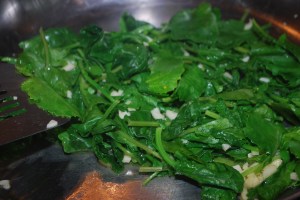
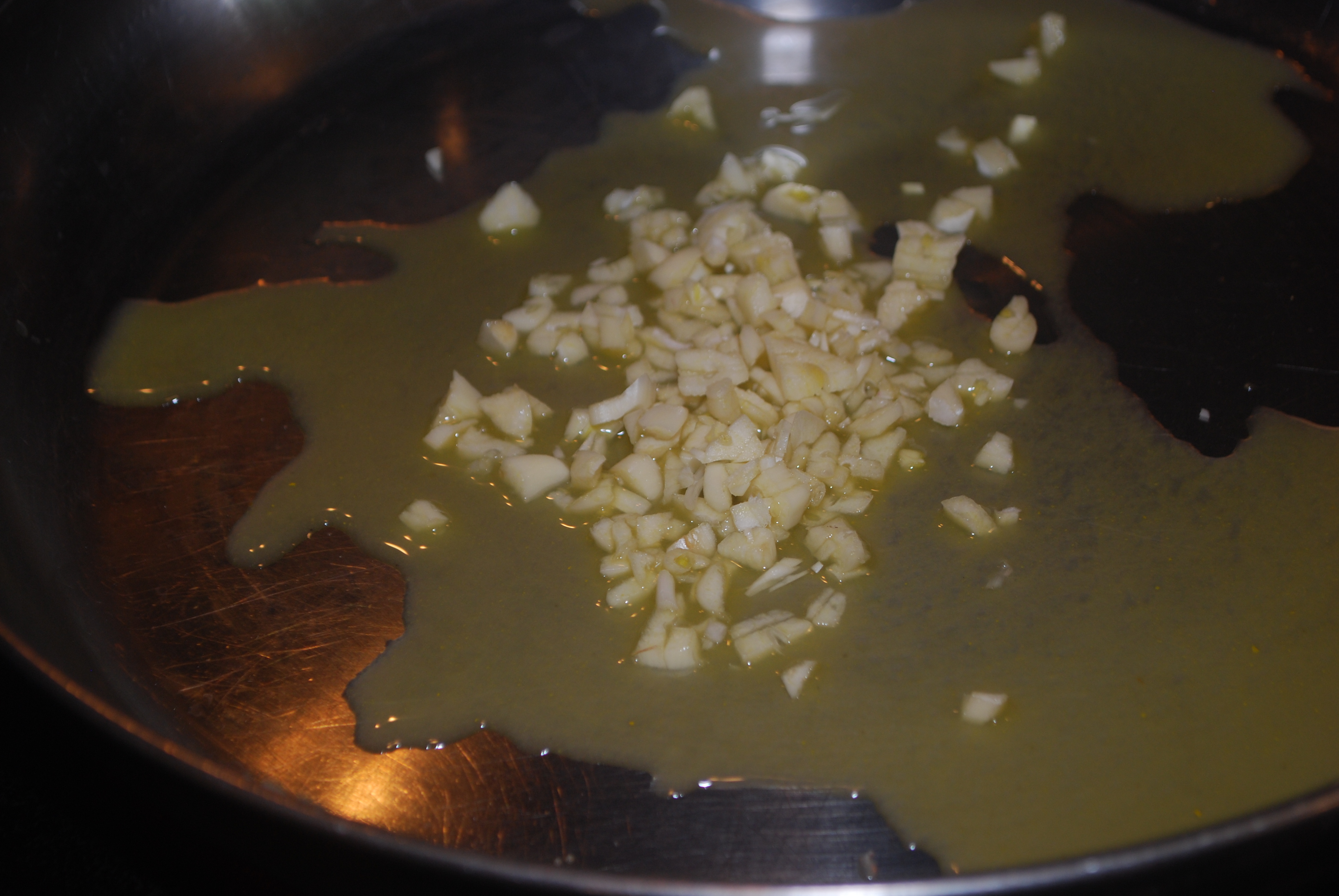
In a medium pan, sautee the garlic in 3 T vegetable stock over medium high heat, until the liquid evaporates and then add another 3 T stock and the spinach or kale and cook until wilted. Remove from heat and stir in braggs. Put into a bowl and set aside.

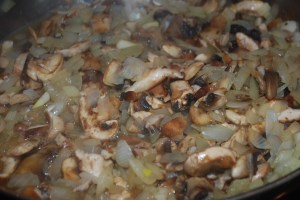
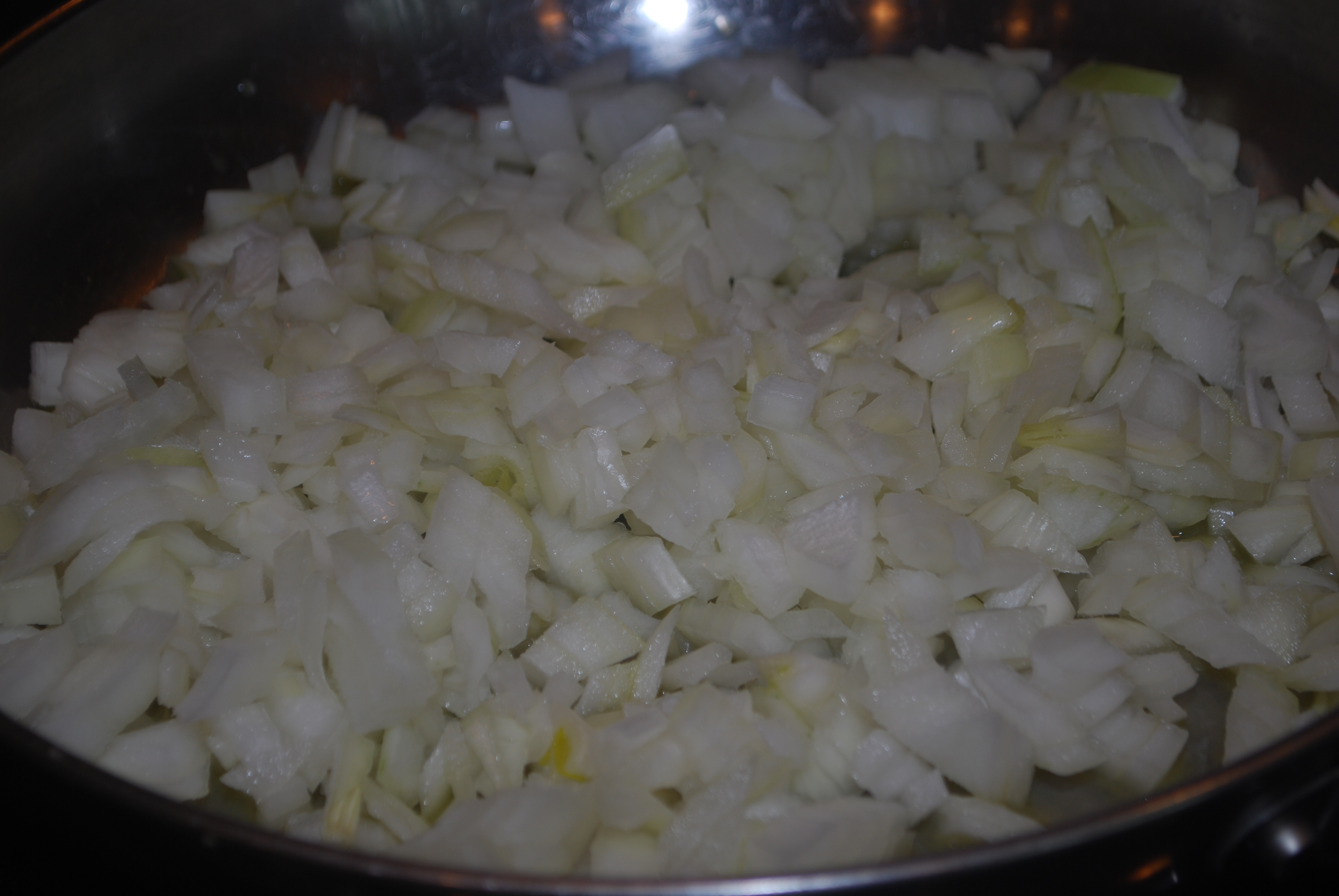
In the same pan, now cook the onion in 3 T stock over medium high heat until translucent. Remove 1/2 c of the onions and reserve. Add the mushrooms and continue to cook until they are soft, about 5 minutes longer. Remove from heat. Drain. Stir in 2 pinches of salt and 1/2 t truffle oil. Set aside.

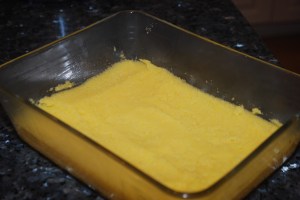
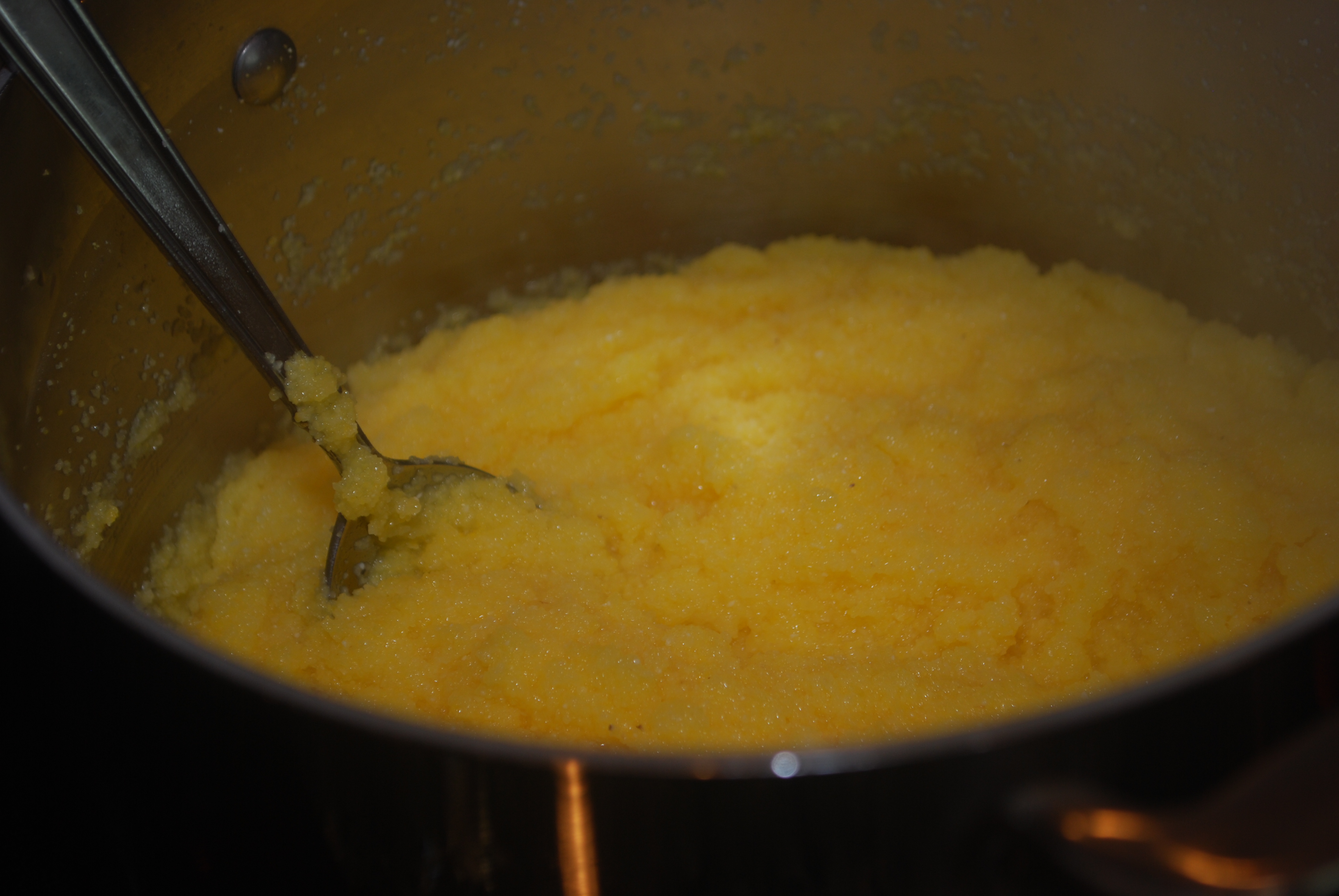
In a medium saucepan, bring 4 c water and cornmeal to a boil. Lower heat to medium high and cook, stirring constantly, for about 5 minutes, until it thickens and stands on its own away from the edges of the pan. Stir in the salt and onion powder.

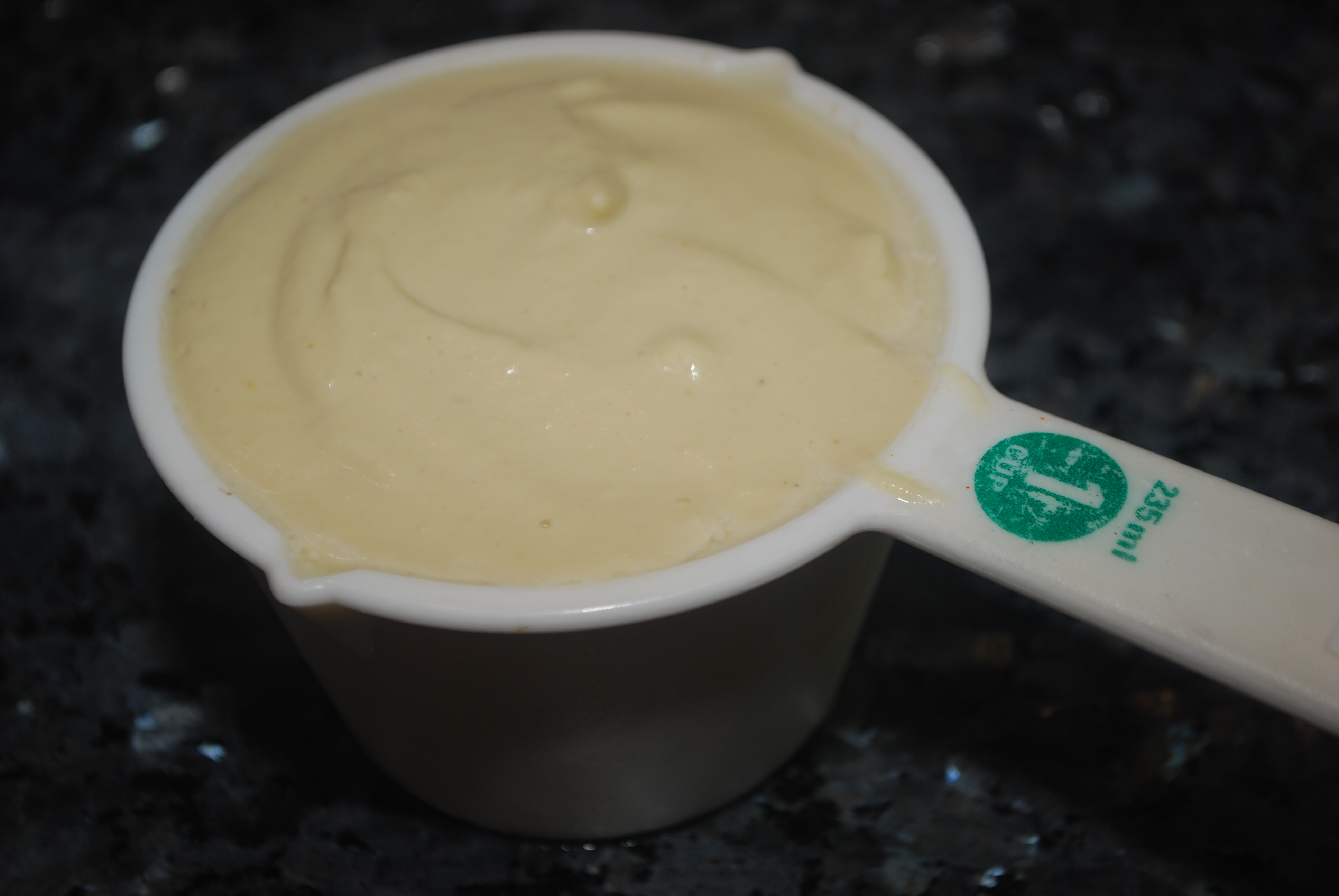
For the creamy topping – place all ingredients in a blender and blend until creamy.


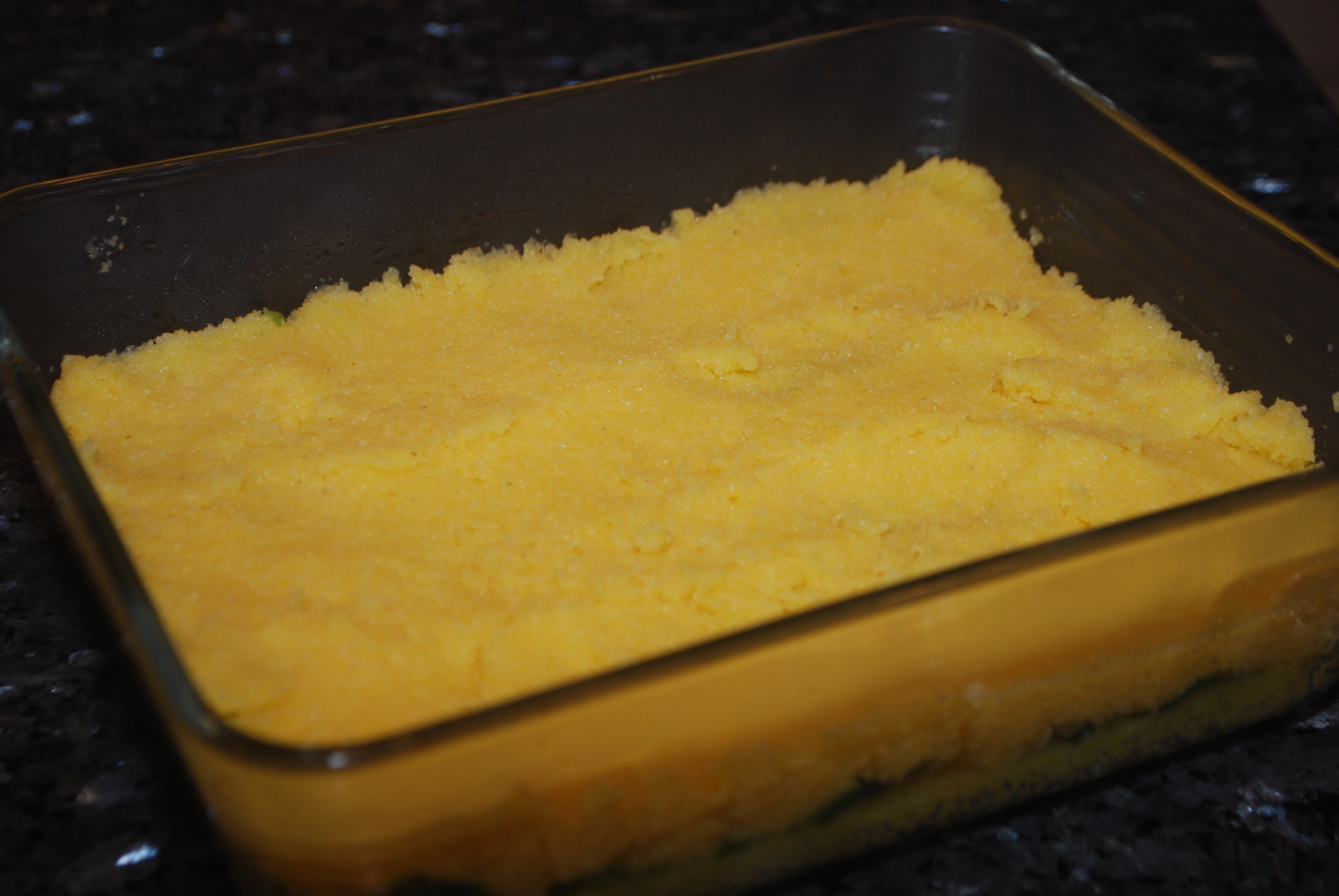
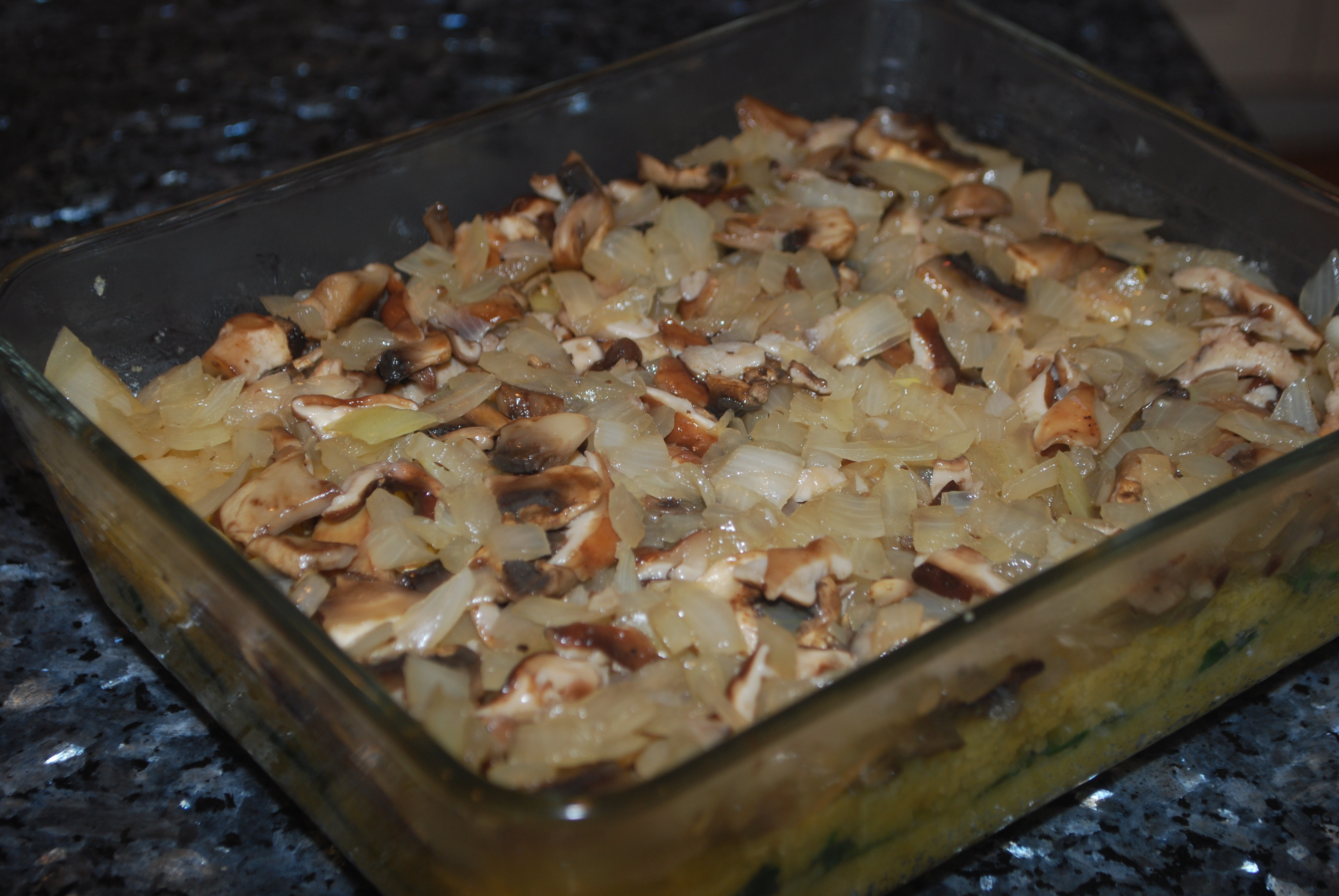
Spread half of the polenta mixture into a 9”x7”x2.5” pan. Top with the spinach mixture. Spread the remaining polenta on top. Top with the mushroom mixture. Pour the cream sauce over the mushroom mixture.


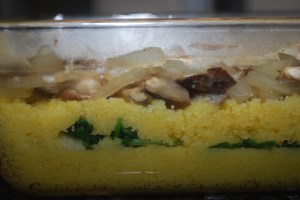

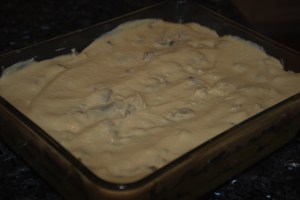
Bake for 30 minutes.
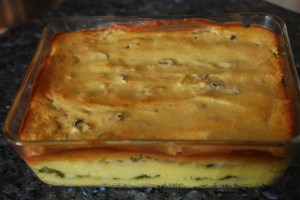
Let cool for 5 minutes before slicing.
Makes 6 large servings

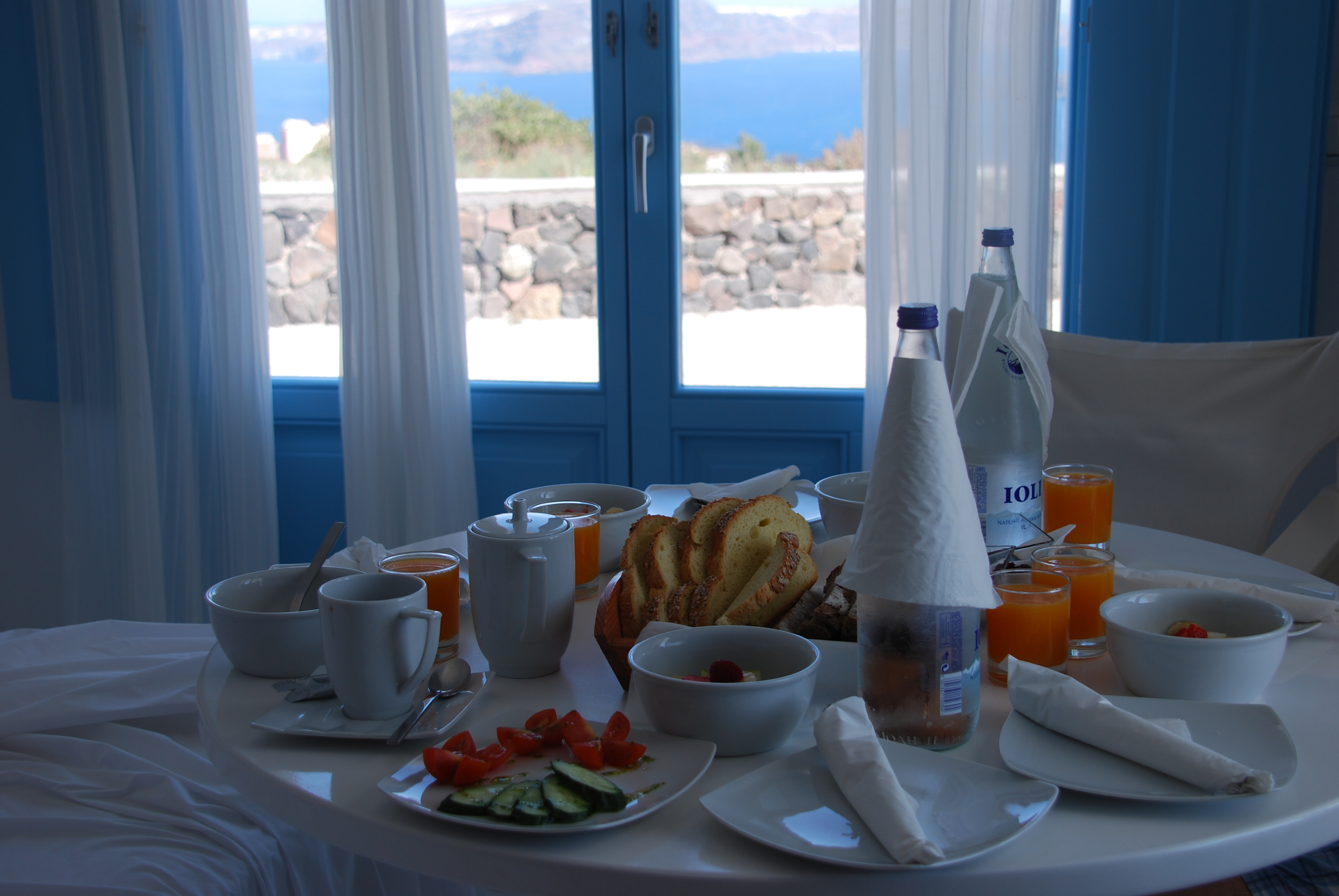
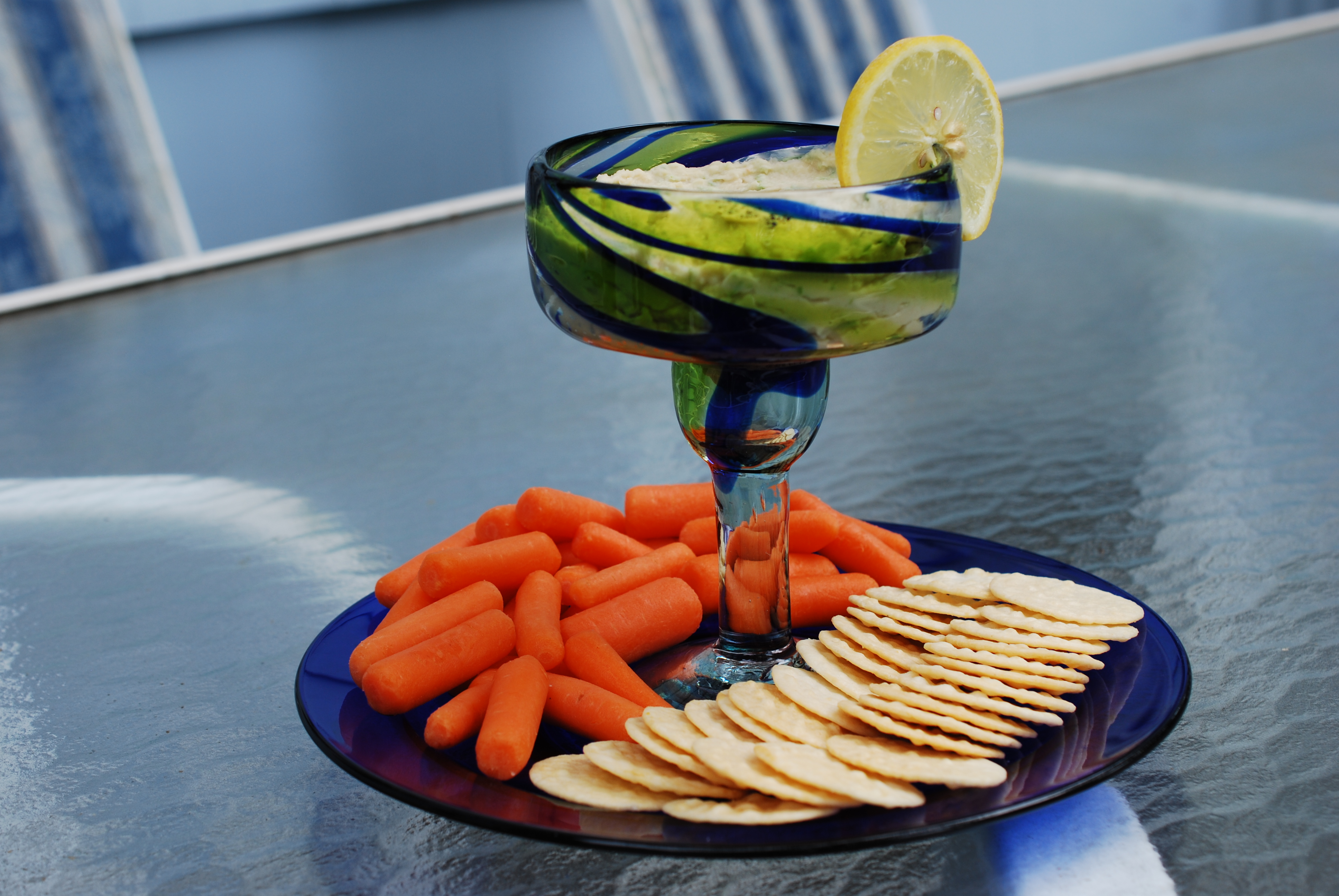
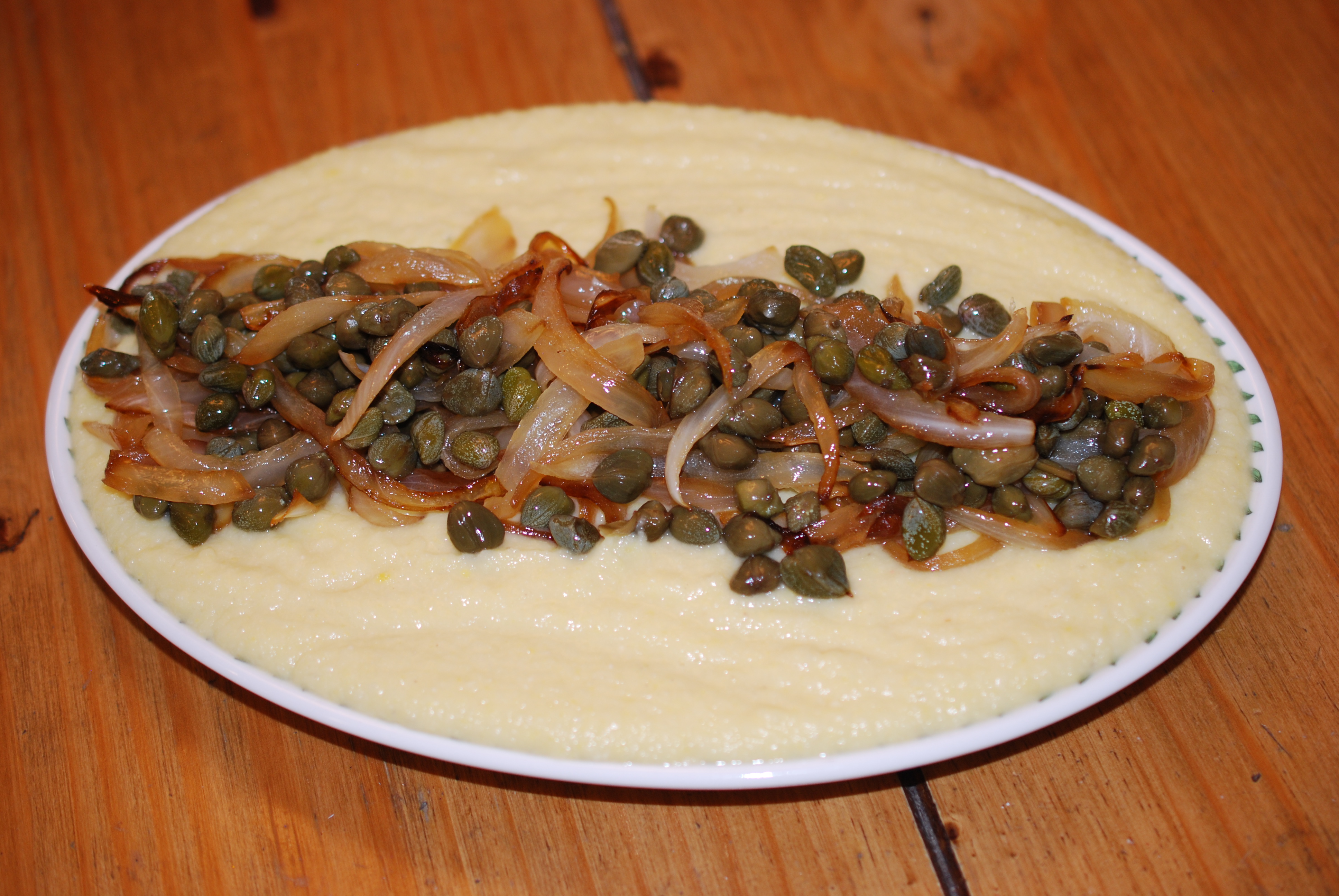 Greece is such a beautiful country and the food is absolutely delicious! It was very easy to eat vegan for the week there. We ate greek salads minus the feta, stuffed grape leaves, stuffed tomatoes, and lots of goodies we purchased at Bamboo Vegan, a wonderful vegan shop in Athens. Our favorite culinary find in Greece was fava. Fava is a savory dip that rivals hummus for my affections! It is not, as we first thought, made from fava beans, but is actually made from yellow split peas. Like hummus, it is extremely flavorful and creamy, yet unlike hummus, it is best served warm or at room temperature. My whole family loved it, which is why I asked for the recipe everywhere we went. Our favorite fava was made as part of a wonderful vegan meal, cooked just for us, at Kalestesia Suites on the magnificent island of Santorini. We owe many thanks to their chef, Victoria, and maitre d, Yiannis, who took incredible care of us. We had a fantastic dinner in the cozy basement wine cellar. Here is their recipe, which although the ingredients are correct, may have a few slight adjustments since I was unable to read the exact measurements on the handwritten recipe they so kindly gave to me.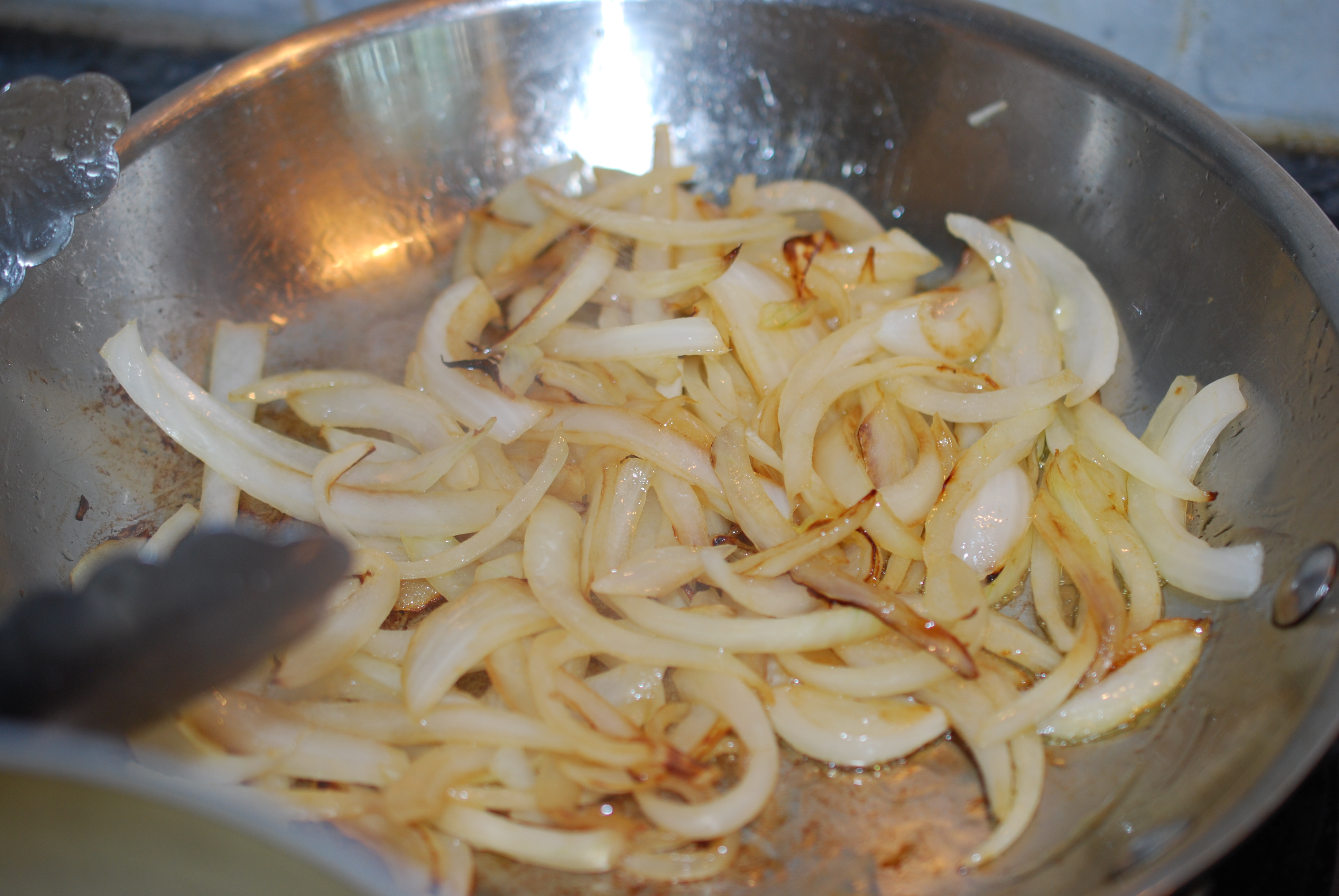














 Vibrantly Vegan